
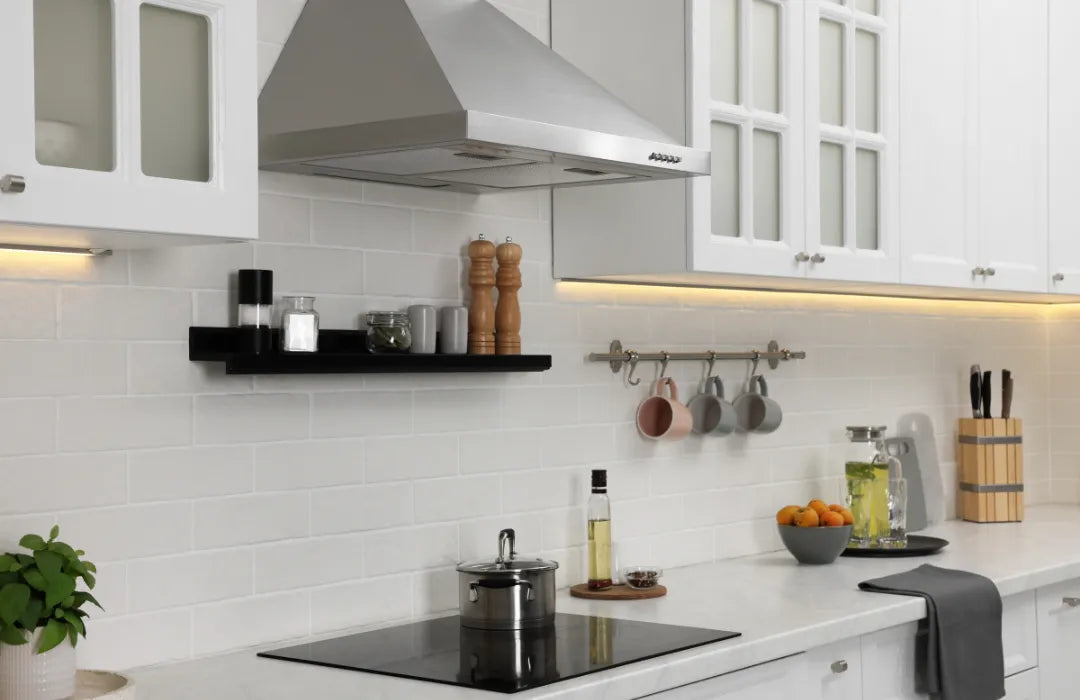
How to Clean a Range Hood in 4 Pro-Level Steps
The range hood is one of the greasiest—and most overlooked—spots in any kitchen. It quietly collects oil, steam, and food particles every time your client cooks, until one day it’s coated in sticky, baked-on grime.
As a professional cleaner, you know that cleaning the hood isn’t just about appearance—it’s about performance, hygiene, and indoor air quality. With the right tools and one powerful cleaner, you can tackle even the toughest grease without soaking or scrubbing for hours.
Here’s how to deep clean a range hood quickly and effectively using just Red Juice and a few essential Speed Cleaning tools.
Step 1: Cut the Power and Disassemble
Before cleaning, unplug the unit or turn off the breaker to stay safe.
-
Cover the stovetop with a microfiber cloth to catch drips.
-
Remove grates, filters, and any removable parts.
-
If fan blades are exposed, plan to clean those as well.
Now you’re ready to face the grime.

Step 2: Spray Red Juice on the Inside
Red Juice is a professional-grade, all-purpose cleaner & degreaser that lifts away heavy buildup without harsh or toxic chemicals. It’s non-toxic, biodegradable, and food-safe—ideal for use around cooking areas.
But here’s what really sets it apart:
-
No rinse required: With the Speed Cleaning method, simply spray, wipe, and move on—no rinsing needed .
-
Concentrated formula:
One gallon yields up to 80 spray bottles (16 oz each), bringing the cost to approximately $1 per bottle. And the more you buy, the lower your cost per gallon—making Red Juice not just powerful, but a smart, scalable investment.
Most ready-to-use all-purpose cleaners cost $4 or more per bottle. Over time, that price difference adds up. With Red Juice, you're not just cleaning better—you're cleaning smarter and more economically.
-
Adjustable strength: Dilute for everyday messes or use it stronger for baked-on grease.
Instructions:
-
Spray Red Juice directly on grates, filters, fan blades, and the hood’s interior.
-
Let it sit for 2–3 minutes to dissolve grease and grime.
-
Use the Speed Cleaning Scraper to gently lift off buildup.
-
Scrub hard-to-reach areas with the Cleaning Toothbrush.
-
Use a Walnut Scrubber Pad for controlled friction on flat metal surfaces.
-
Wipe clean with a damp microfiber cloth. Repeat if necessary
Step 3: Don’t Forget the Exterior
Red Juice also works beautifully on the outside of the hood.
-
Spray onto a damp microfiber cloth and wipe with the grain.
-
For sticky splatters or fingerprints, spray lightly, let sit for a moment, and wipe clean.
-
Buff dry for a polished, streak-free finish.
Step 4: Dry, Reassemble, and Test
Once everything is clean and dry:
-
Reinsert all parts and plug the unit back in.
-
Turn on the fan to confirm smooth operation.
Now you can confidently tell your client their hood is not only looking great—it’s performing better and promoting a healthier kitchen.
Why This Service Builds Client Loyalty
Most clients don’t realize how dirty their range hood is—until it starts to smell or stops working properly. That’s your opportunity to shine.
By offering this detail-level service using safe, effective products, you show clients that:
-
You clean what others ignore
-
You prioritize health and safety
-
You work smarter, not harder—with the right tools

Because professionals don’t cut corners—they clean them.
Share


