
How to Choose the Right Cleaner Based on pH
When cleaning professionals face stubborn dirt, grime, or build-up, the secret to achieving effective and safe results often lies in understanding one key factor: the pH level of the cleaning product. Knowing whether you need an acidic, neutral, or alkaline formula can make all the difference—not only in how well the cleaning works but also in protecting the surfaces you care for.
What Is pH and Why Does It Matter in Cleaning?
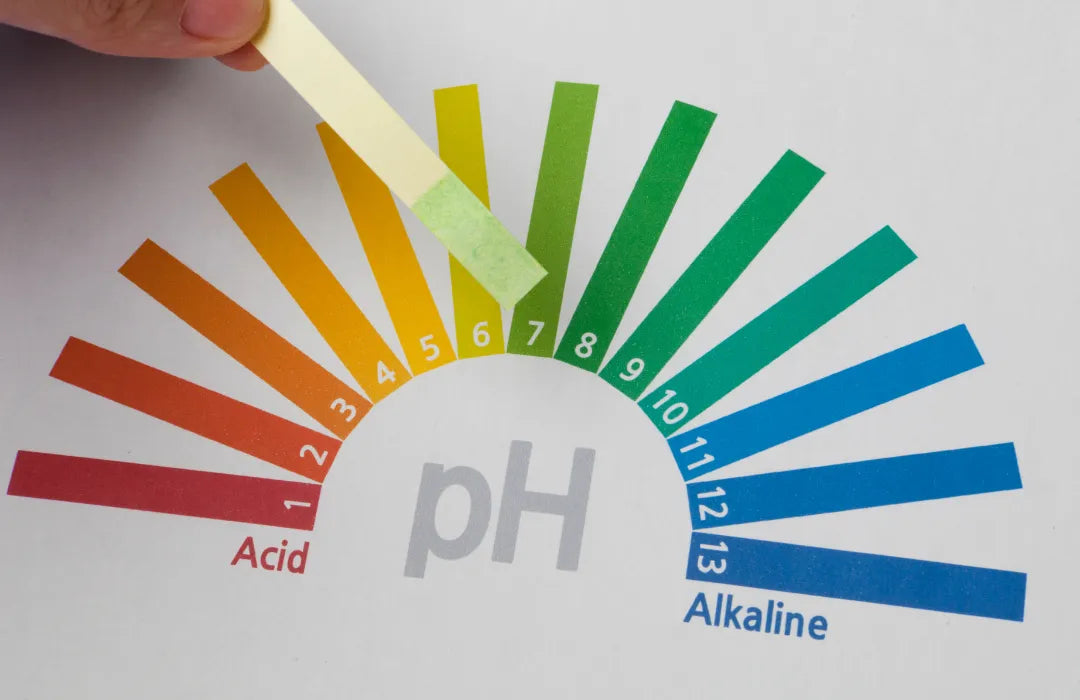
The pH scale is a scientific tool that measures how acidic or alkaline (basic) a substance is, ranging from 0 to 14. A pH of 7 is neutral, like pure water. Values below 7 indicate acidity, while those above 7 indicate alkalinity. This scale is fundamental for cleaning professionals because it determines how a product interacts with various soils and surfaces.
For example:
-
Acidic cleaners (pH 0–6) are excellent at dissolving mineral deposits, lime scale, rust, and mold.
-
Neutral cleaners (around pH 7) are gentle and safe for everyday cleaning, especially on sensitive materials.
-
Alkaline cleaners (pH 8–14) are powerful at breaking down grease, oils, and heavy soils.
| Type | Common Examples |
|---|---|
| Acidic | Vinegar, lemon juice, toilet bowl cleaner |
| Neutral | Distilled water, mild pH-neutral cleaners |
| Alkaline | Bleach, ammonia, degreasers |
Understanding these distinctions helps you select the right product to maximize cleaning efficiency while avoiding damage.
The concept of pH was introduced by Danish chemist Søren Sørensen in 1909 at the Carlsberg Laboratory. Originally devised to improve beer brewing by measuring acidity levels, today it’s a cornerstone concept across industries—food, cosmetics, agriculture, and especially professional cleaning.
Why pH Matters for Different Surfaces
Each surface material reacts differently to acidic or alkaline substances. Using the wrong product can cause irreversible damage, such as etching, discoloration, or weakening of the material.
In professional cleaning, matching the pH to both the soil type and surface prevents costly mistakes and maintains client satisfaction.
Types of Cleaning Products and When to Use Them
Here’s a closer look at the three main types of cleaning products by pH level—acidic, neutral, and alkaline—using our favorite Speed Cleaning trio (Scum Bum, Sh-Clean, and Red Juice) as practical examples for cleaning professionals.
Scum Bum – Acidic Cleaner and Degreaser
Scum Bum is a powerful acidic cleaner with a low pH, specially formulated not only to tackle hard water stains, soap scum, mildew, rust, and mineral buildup but also to act as an effective degreaser. This makes it suitable for cleaning areas with stubborn grease and grime, such as showers, bathroom tiles, and other moisture-prone surfaces.
Important: Acidic cleaners like Scum Bum should be used carefully and avoided on calcium-based stones (marble, travertine) to prevent etching or surface damage.
Sh- Clean – pH Neutral
Sh-Clean offers safe, effective cleaning with a neutral pH, making it perfect for daily use on delicate surfaces, including:
-
Marble, limestone, and travertine
-
Wood and laminate flooring
-
Painted or varnished surfaces
-
General surface cleaning where safety and material protection are priorities
Because it is gentle, Sh-Clean reduces the risk of damage or discoloration while maintaining cleanliness and hygiene.
Red Juice – Alkaline Cleaner
Red Juice is an alkaline cleaner designed to break down grease and other tough soils, Though alkaline, it was carefully formulated to be safe and effective for cleaning natural stone surfaces such as granite, quartz, slate, sandstone, and quartzite. This makes it an excellent choice for kitchens, floors, and high-traffic areas where grease and dirt build up.

Safety and Best Practices
One critical safety tip is to never mix acidic and alkaline cleaners. Combining them can neutralize their effectiveness and create dangerous chemical reactions, such as releasing harmful gases.
While many modern professional cleaning products, including the ones mentioned here, are non-toxic and generally safe to use without gloves, it's good practice to wear gloves when working with acids or strong alkalis, or when required by your company’s safety protocols. Gloves protect your skin from irritation and keep your hands clean.
Also, always test a cleaner on a small, inconspicuous area before applying it broadly, especially on natural stone or delicate materials. This simple step can prevent costly damage.
Choosing the Right Cleaner for Your Client’s Needs
Cleaning professionals understand that one size doesn’t fit all when it comes to cleaning solutions. Knowing the pH and application of your products empowers you to:
-
Deliver targeted, efficient cleaning results
-
Protect surfaces and extend their lifespan
-
Build trust with clients by avoiding damage or costly repairs
-
Work safely and confidently with various chemicals
By understanding the science behind pH, you improve your professional knowledge and stand out in a competitive market.
Conclusion
In the cleaning industry, mastering the basics of pH and cleaning chemistry is essential. Whether you’re removing tough rust stains with an acidic cleaner, performing gentle daily cleans with a neutral formula, or breaking down heavy grease with an alkaline product, matching your cleaner to the task ensures the best results.
At the same time, prioritizing safety and surface care protects your clients’ investments and builds your reputation as a knowledgeable, reliable cleaning professional.
With products like Scum Bum, Sh-Clean, and Red Juice, you have versatile, effective options at your disposal—each designed to meet specific cleaning challenges with the right pH balance.
Share


